
Lead UX/UI Designer
Design System• Development
Quartier des Spectacles International approached me with an unusual challenge. Rather than designing a single website, they needed a scalable system capable of supporting a growing collection of interactive public art installations around the world. Each artwork had its own story, artist, and visitor experience, yet every microsite needed to feel unmistakably part of the same ecosystem.
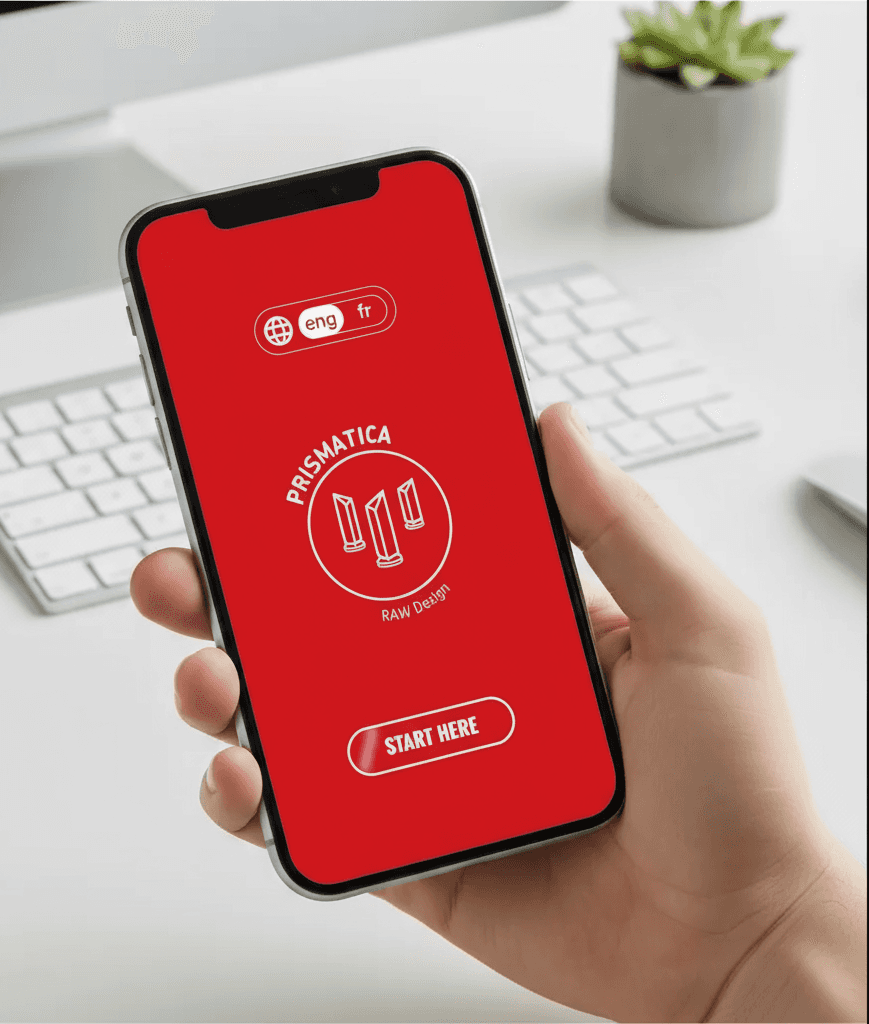
Public art exists in a unique environment. Visitors don't arrive with time or context—they scan a QR code while standing in front of an installation, often outdoors, sometimes in bright sunlight, and expect the experience to make sense within seconds.
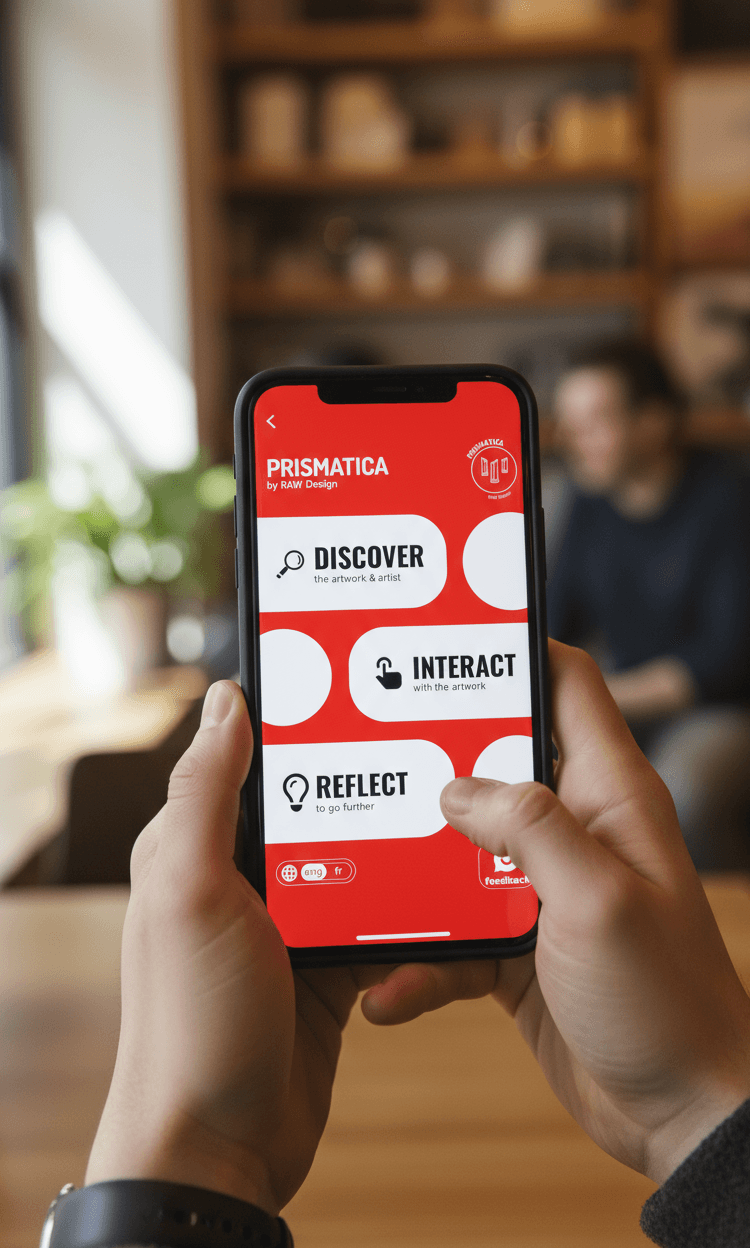
Rather than treating each microsite as its own project, I approached the work as a design system.
Every experience follows the same visitor journey:
Discover introduces the artwork and the artist.
Interact explains how visitors can engage with the installation in the physical space.
Reflect encourages visitors to consider the ideas behind the work through prompts and questions that extend the experience beyond the exhibition itself.
This structure created a familiar rhythm across every installation while allowing each artwork to maintain its own personality through imagery, typography, colour, and content.
The system was designed to be accessible, bilingual, mobile only, and easy for the QDSI team to expand as new exhibitions were added over time. Beyond design, I also developed the microsites, implemented analytics to measure visitor engagement, and built reusable components that dramatically reduced the effort required to launch future installations.
Designed and developed a scalable UX system for 11 interactive public art installations
Created a reusable design system that reduced production time for future microsites
Mobile-first experience designed specifically for QR-code visitors
Fully bilingual (French & English)
Implemented Google Analytics and event tracking to measure visitor engagement
Designed, developed, and maintained the platform over a six-month collaboration




MTL
QC
CORE
DESIGN
STUDIO